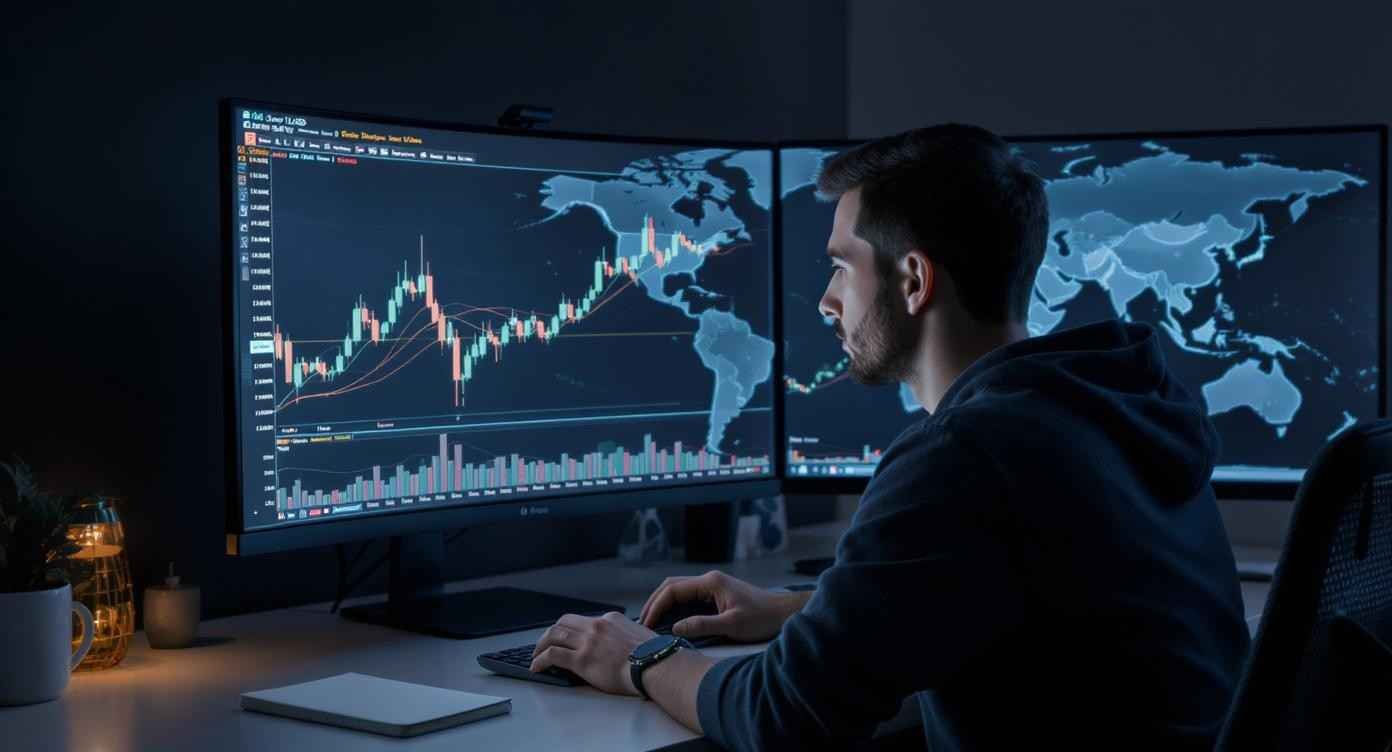

The distinction between trading and gambling has been a topic of debate for years. While both involve risk and the potential for profit or loss, there are key differences in approach, mindset, and outcome. Many newcomers to the financial markets often wonder, “Is trading gambling?” especially when faced with the inherent risk and uncertainty of the Forex market. In this article, we will explore the psychology behind risk perception in trading, address common misconceptions, and explain the crucial difference between gambling vs trading mindset. Additionally, we’ll look at how AI trading tools are influencing traders’ decision-making and how they can help minimize risk.
What Is the Difference Between Trading and Gambling?
The key difference between trading and gambling lies in the approach to risk, decision-making, and strategy. While both activities involve uncertainty, trading is fundamentally a skill-based endeavor with a focus on informed decisions, risk management, and strategy development, much like forex psychology, which plays a key role in how traders approach market risks. Gambling, on the other hand, is often based on chance or luck, with no ability to influence outcomes.
1. Risk Management and Control
- Trading: In trading, especially in Forex, risk management is at the core of the strategy. Understanding trader mindset helps traders to approach risk differently, using informed strategies rather than relying on chance.Traders make informed decisions by analyzing market data, using technical and fundamental analysis, and applying
- AI trading tools to make well-calculated predictions. They manage risk by using stop-loss orders, diversifying their portfolios, and setting risk-to-reward ratios to minimize potential losses.
- Gambling: Gambling is often driven by chance, where the outcomes are largely uncontrollable. Whether it’s poker, roulette, or slot machines, players have limited or no ability to influence the results. While gamblers may adopt strategies, there is no way to consistently predict or control outcomes.
2. Skill vs. Luck
- Trading: Trading involves a great deal of skill and experience. AI trading tools can help automate strategies, but traders still need to understand market conditions, timing, and risk to succeed. Over time, trading strategies can evolve based on market trends, personal experiences, and historical data.
- Gambling: Gambling, especially in games of chance like slots or roulette, relies predominantly on luck. Even if you use strategies or patterns, the odds remain stacked against you, and there’s no long-term edge you can create.
3. Outcome and Accountability
- Trading: Successful traders take responsibility for their actions. They study the market, develop strategies, and use tools to manage risk. When they lose, they review their decisions, analyze what went wrong, and adjust their strategies for future trades.
- Gambling: Gamblers often view losses as a part of the game, and there is less opportunity to reflect and improve since outcomes are random. There is little room for long-term growth or accountability in gambling.
The Psychology Behind Risk in Trading
Understanding the psychology of risk is essential for successful trading. By diving deep into psychology in trading, traders can better navigate their emotions and manage risks effectively. It’s not just about understanding the mechanics of buying and selling but also about how our minds perceive and react to risk. This perception often shapes the decisions traders make and the strategies they employ.
1. Risk Perception in Trading
Risk perception refers to the way traders view and evaluate potential losses and gains. This perception influences how much risk a trader is willing to take, their overall approach to the market, and the choices they make when entering or exiting trades.
- Risk Tolerance: Every trader has a different level of comfort with risk. Some may prefer small, frequent wins with low risk, while others may opt for larger trades with the potential for bigger rewards.
- Loss Aversion: According to prospect theory, traders often experience a greater emotional impact from losses than from equivalent gains. This can lead to hesitation when taking a loss or reluctance to exit a losing trade. Proper risk management strategies, such as setting stop-loss orders, can mitigate this emotional impact.
- Overconfidence Bias: Traders, especially beginners, may overestimate their ability to predict market movements. This bias can lead to taking excessive risks or using high leverage, which increases exposure to market fluctuations.
2. The Role of Emotion in Trading
Emotion plays a significant role in how traders react to risk. Fear and greed are two dominant emotions that can cloud judgment.
- Fear: Fear of losing money can cause traders to hesitate when they should act or to exit trades too early, missing out on potential profits. Developing emotional discipline in trading is crucial to overcoming these fears.
- Fear can also lead to avoiding risk altogether, making traders miss opportunities.
- Greed: On the other hand, greed can drive traders to take excessive risks in an attempt to maximize profits. This can lead to reckless trading behavior and significant losses.
By developing a strong mental framework and practicing emotional discipline, traders can manage these emotions effectively. Many traders rely on AI trading tools to remove emotion from their decision-making process, as these tools make trades based on data and pre-set rules, rather than emotional responses.
Gambling vs Trading Mindset
The mindset behind trading and gambling is vastly different. While both activities involve risk, the way individuals approach that risk is key to differentiating them.
1. The Gambling Mindset
- Focus on Luck: Gamblers often rely on chance, believing that outcomes are beyond their control. They may develop superstitions or rituals in hopes of influencing the results, rather than making decisions based on data or analysis.
- No Plan or Strategy: Many gamblers do not employ a structured approach to their activities. They rely on hunches or gut feelings, often engaging in impulse decisions without evaluating risks.
- Escalation of Commitment: Gamblers may chase losses, continuing to place bets in the hopes of winning back their losses. In contrast, understanding forex psychology helps traders avoid this risky mindset and approach losses strategically.This behavior is often irrational and driven by desperation.
2. The Trading Mindset
- Data-Driven Decisions: Traders rely on analysis, market data, and historical trends to make informed decisions. They take a calculated approach to risk and avoid making decisions based on emotions.
- Developing a Plan: Successful traders create a well-defined trading plan that includes risk management strategies such as position sizing, stop-loss orders, and profit-taking rules. They adhere to these rules consistently.
- Risk Control and Adaptation: Traders accept that losses are part of the game and adapt their strategies based on market conditions. They do not chase losses, but rather learn from them to refine their approach for future trades.
AI Trading Tools: Helping Traders Manage Risk
AI trading tools can help automate trading strategies, analyze market data, and identify patterns that may not be immediately obvious to human traders, offering a deeper insight into forex psychology in AI trading.
How AI Trading Tools Help Reduce Risk
- Automated Execution: AI trading systems execute trades based on predetermined criteria, eliminating human emotions like fear and greed.
- Backtesting: AI systems can backtest strategies against historical data to identify the most profitable approaches. This helps traders develop more effective strategies with a higher probability of success.
- Real-Time Analysis: AI trading tools analyze market conditions in real-time, helping traders adjust their positions based on up-to-date data.
- Risk Management Automation: These tools can automatically set stop-loss orders, adjust position sizes based on account balance, and diversify investments across multiple currency pairs to reduce risk exposure.
By leveraging AI trading tools, traders can make more informed, objective decisions and reduce the emotional biases that often lead to poor risk management in manual trading.
How to Improve Your Trading Mindset
Developing a proper trading mindset is essential for managing risk and achieving success in the Forex market. Here are some tips to cultivate a disciplined and focused approach:
1. Accept Losses as Part of the Process
Losses are inevitable in trading. The key is to manage them properly and not let them impact future decisions. Traders should plan for losses by defining risk parameters and accepting them as part of the trading process.
2. Use a Trading Journal
Maintaining a trading journal can help traders review their past trades and improve their strategies. Recording each trade, including the rationale behind it and the outcome, allows traders to learn from their mistakes and successes.
3. Develop Emotional Discipline
Trading is as much about psychology as it is about strategy. Traders should develop emotional control, sticking to their trading plan and avoiding impulsive decisions driven by fear or greed.
4. Stick to a Risk Management Plan
A well-defined risk management plan is essential for maintaining discipline. Traders should determine how much they are willing to risk per trade, use appropriate position sizing, and set stop-loss orders to limit potential losses.
Conclusion: Trading Is Not Gambling
While trading and gambling both involve risk, the trading mindset is entirely different from the mindset of a gambler. Trading is a skill-based activity that involves analyzing data, managing risk, and making informed decisions. By using AI trading tools and adopting a disciplined trading mindset, traders can reduce the emotional biases that lead to risky decisions.
Risk management is at the heart of successful trading, and it’s what separates professional traders from those who treat trading like a gamble. By understanding the psychology behind risk and applying effective strategies, traders can increase their chances of success in the volatile Forex market.