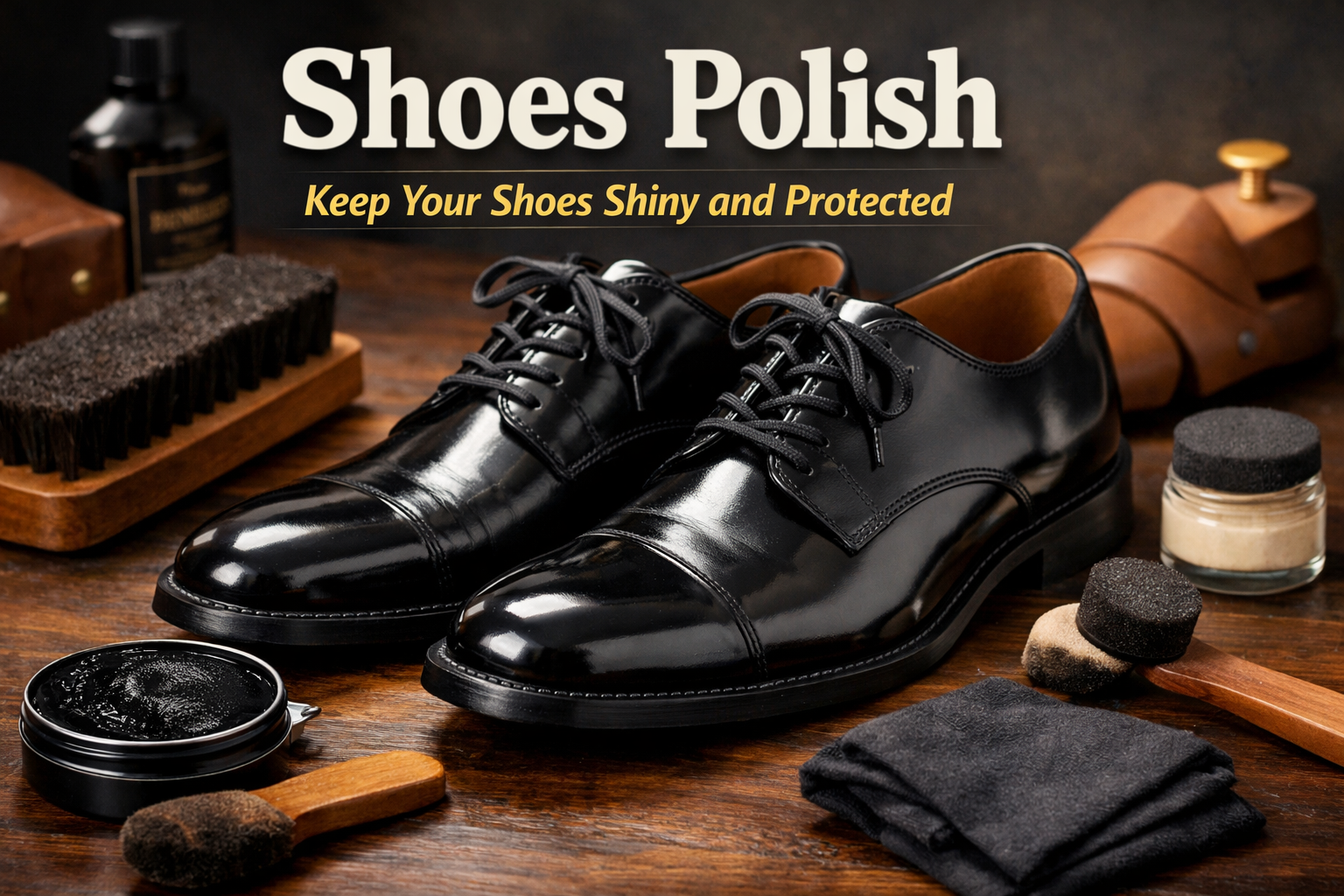
Your shoes are an investment. They protect your feet and complete your outfit. To keep them looking new for years, you need a simple tool: shoes polish. This guide explains how shoes polish does more than add shine. It creates a shield that blocks water, salt, and daily wear. We will show you how to choose the right type, apply it correctly, and avoid common errors. This routine will extend the life of your favorite pairs, saving you money and keeping your style sharp.
Why Using Shoes Polish Extends Your Shoes’ Lifespan
Many people think shoes polish is only for appearance. This is not correct. The main job of polish is to protect the material of your shoe. When you apply polish, you are adding a layer of defense. This layer stops the leather from drying out, cracking, and losing its color. Regular care with shoes polish is the most effective way to make your shoes last longer.
How polish creates a protective barrier against damage
Leather is a natural material. It needs oils to stay soft and flexible. Daily wear removes these oils. Sun, rain, and dirt speed up this process. Shoes polish replaces these lost oils. Wax-based polishes sit on top of the leather. They form a hard, protective shell. This shell repels water and prevents scuffs from reaching the leather underneath. Cream polishes soak into the leather. They feed and moisturize it from within. Both methods create a barrier. This barrier is why polished shoes resist damage so much better.
The direct link between regular polishing and shoe durability
Think of shoes polish like sunscreen for your shoes. One application helps, but consistent use gives the best results. A shoe that is polished every few weeks maintains its protective layer. The leather stays nourished. The surface stays sealed. This consistent care prevents small problems. It stops a tiny scratch from becoming a deep crack. It stops a water spot from causing a permanent stain. Over time, this routine directly translates to durability. A polished shoe can look good for many more seasons than a neglected one.
Understanding the Different Types of Shoes Polish
Not all shoes polish is the same. Using the wrong type can give poor results or even cause damage. The three main categories are wax, cream, and liquid polish. Each has a specific purpose. Knowing the difference helps you choose the right product for your shoes and your desired finish.
Key differences between wax, cream, and liquid polish
Wax polish is best for a high shine and strong waterproofing. It contains a high amount of waxes like carnauba. You apply it, let it dry, and then buff it vigorously. It creates a hard, glossy shell on the shoe’s surface. Cream shoe polish contains more conditioning oils and less wax. Its main job is to nourish and color the leather. It gives a rich, satin finish rather than a mirror shine. It is ideal for regular maintenance. Liquid polish is often a quick-shine product in a sponge applicator. It is convenient for a fast touch-up but does not offer deep conditioning or long-lasting protection. It is not a replacement for proper wax or cream polish.
Choosing the best shoe polish for leather types
Your choice of leather shoe polish depends on the leather. For smooth, full-grain leather, both wax and cream polishes work well. Use cream for daily nourishment and wax for formal shine. For suede or nubuck, never use traditional wax or cream polish. It will ruin the texture. Use a specialized suede protector spray and a suede brush. For patent leather, use a specific patent leather cleaner or a very mild cream. Always test a new leather shoe polish on a small, hidden area of the shoe first.
Step-by-Step Guide to Polishing Leather Shoes Perfectly
A good polish takes about 20 minutes. The right steps make the difference between a patchy finish and a perfect shine. Follow this method for the best results with your shoes polish.
Preparing your shoes: cleaning and conditioning
Never apply polish to dirty shoes. First, remove the laces. Use a soft brush to remove loose dirt and dust. Take a damp cloth and wipe the entire surface. Let the shoes dry completely. For deeper cleaning, use a dedicated leather cleaner. After cleaning, consider using a leather conditioner. This step adds moisture back into the leather before you apply any colored polish. It is especially important for dry or old shoes.
Applying cream shoe polish for deep nourishment
For this step, use a cream shoe polish that matches your shoe color. Apply a small amount to a soft cloth or applicator brush. Work the polish into the leather using small circular motions. Cover the entire shoe evenly. Pay extra attention to the toe and heel, as these areas get the most wear. Let the polish dry for five to ten minutes. You will see it turn slightly hazy.
Buffing to a high-shine, professional finish
Use a clean, soft polishing cloth or a horsehair brush. Buff the shoe vigorously in straight back-and-forth motions. The friction generates heat, which melts the waxes in the polish and creates the shine. For an exceptional shine, use the “spit shine” method. Dampen a small section of a cloth with a few drops of water and buff a tiny area at a time. This technique, often used in the military, creates a mirror-like finish.
Advanced Techniques for Maximum Shoe Protection
Basic polishing is a great start. To truly guard your shoes against the elements, you can use these advanced methods. They are useful if you live in a place with rain, snow, or intense sun.
Waterproofing your shoes with specialized products
A good wax polish provides some water resistance. For heavy rain or snow, use a separate waterproofing spray or wax. Apply it to clean, dry shoes before you polish them. These products create a stronger barrier against moisture. Be sure to reapply the waterproofing every few months, as it wears off over time.
Seasonal care routine for harsh climates
In the UAE, heat and sand are the main concerns. Sand can scratch leather. Heat can dry it out. During summer, clean your shoes more often to remove abrasive sand. Use a conditioner frequently to combat the drying effects of the heat. For more on managing your footwear in specific weather, you can read about seasonal shoe care routines.
Storing polished shoes to maintain their condition
How you store shoes matters. Always use shoe trees. They absorb moisture and help the shoe keep its shape. Store shoes in a cool, dry place away from direct sunlight. Use dust bags or the original box to prevent scratches. Do not store shoes in plastic bags, as this can trap moisture and cause mildew.
How to Clean and Polish Sneakers and Fabric Shoes
Shoes polish is mainly for leather. But sneakers and fabric shoes also need care to stay fresh. The process is different but just as important.
Selecting the right sneaker polish and cleaners
For most sneakers, you need a cleaner, not a polish. Look for a sneaker cleaning kit with a gentle brush and a pH-balanced solution. For leather sneakers, you can use a matching cream shoe polish. For white rubber midsoles, a specialized whitening product or a magic eraser works well. Avoid harsh chemicals that can discolor the material.
Step-by-step process for refreshing white sneakers
Remove the laces and wash them separately. Apply sneaker cleaner to a soft brush. Gently scrub the fabric and rubber parts. For stubborn stains on the white rubber, use a melamine foam sponge (magic eraser). Rinse with a damp cloth and let the shoes air dry completely. Stuff them with paper to help them keep their shape as they dry.
Protecting suede and nubuck without traditional polish
Never use wax or cream on suede. It will mat the nap and cause stains. Use a suede protector spray when the shoes are new and after every clean. To clean suede, use a suede eraser for scuffs and a suede brush to lift the nap. Brush the suede in one direction to restore its texture.
Common Shoe Polishing Mistakes to Avoid
Avoiding errors is as important as following the right steps. These common mistakes can ruin your shoes and waste your shoes polish.
Using the wrong polish color and damaging leather
Always match the polish color to your shoe. Using a darker polish on a light shoe will permanently darken it. If you cannot find an exact match, use a neutral or clear polish. Test the color on a small, hidden area first, like the inside of the tongue.
Over-polishing and causing wax buildup
More polish is not better. Applying too much wax polish without proper buffing leads to a thick, white buildup in the creases. This looks bad and can crack. To fix it, use a leather cleaner to strip the old wax and start fresh. Polish sparingly and buff thoroughly.
Neglecting the soles and inner shoe care
Polish protects the upper, but the soles need attention too. Clean dirt from the soles to prevent tracking it inside. For leather soles, you can use edge dressing to keep them looking neat. Inside the shoe, use a disinfectant spray to control odor and bacteria. Let the insoles dry completely between wears.
Essential Shoe Care Tools and Products
Having the right tools makes shoe care easier and more effective. You do not need many items, but quality matters.
Must-have polishing brushes and cloths
You need three brushes: a stiff bristle brush for removing dirt, a softer applicator brush for putting on polish, and a horsehair brush for buffing. For cloths, use soft, lint-free cotton cloths. An old t-shirt works perfectly. Keep separate cloths for applying polish and for buffing.
Top-rated shoe polish brands available in the UAE
Many good brands are available locally. Saphir from France is considered a top-tier product for both wax and cream polishes. Kiwi is a widely available and reliable brand for basic needs. Collonil offers excellent waterproofing products. You can find these in shoe care stores, large supermarkets, and online retailers in the UAE.
DIY natural polish alternatives for enthusiasts
You can make a simple conditioner at home. Mix one part white vinegar with two parts linseed oil. Apply a small amount to leather, let it soak in, and then buff. This can nourish the leather. For more DIY shoe care methods, there are many guides available. Remember, homemade polishes may not offer the same color or protective qualities as commercial products.
Conclusion
Shoes polish is a simple habit with powerful results. It keeps your shoes shiny, but its real value is in protection. By forming a barrier, polish fights against daily damage that shortens a shoe’s life. Understanding the types, mastering the application steps, and using the right tools will transform your shoe care routine. Your shoes will look better, feel more comfortable, and last for many more years. Caring for your shoes is part of caring for your overall style, much like choosing the right Britney Spears Perfume completes a personal fragrance routine.
Frequently Asked Questions About Shoes Polish
How often should you polish your shoes?
It depends on how often you wear them. For shoes worn weekly, polish them every three to four weeks. For daily wear, a quick touch-up every week and a full polish every two weeks is good. Look at the leather. If it looks dry or dull, it is time for shoes polish.
Can you use the same polish on all shoe materials?
No. Traditional wax or cream shoe polish is only for smooth leather. Using it on suede, nubuck, or fabric will cause damage. Always check the shoe material and use a product designed for it. For non-leather shoes, use specialized cleaners and protectors.
Start Your Professional Shoe Care Routine Today
Do not wait for your shoes to look old. Start a simple care routine now. Get a good brush, a tin of shoes polish, and a soft cloth. Clean and polish your best pair of leather shoes this weekend. You will see the immediate difference in shine and feel the improved softness of the leather. This small investment of time protects your financial investment in your footwear and ensures you always step out with confidence.