The Art, Design, and Story Behind Every Fragrance
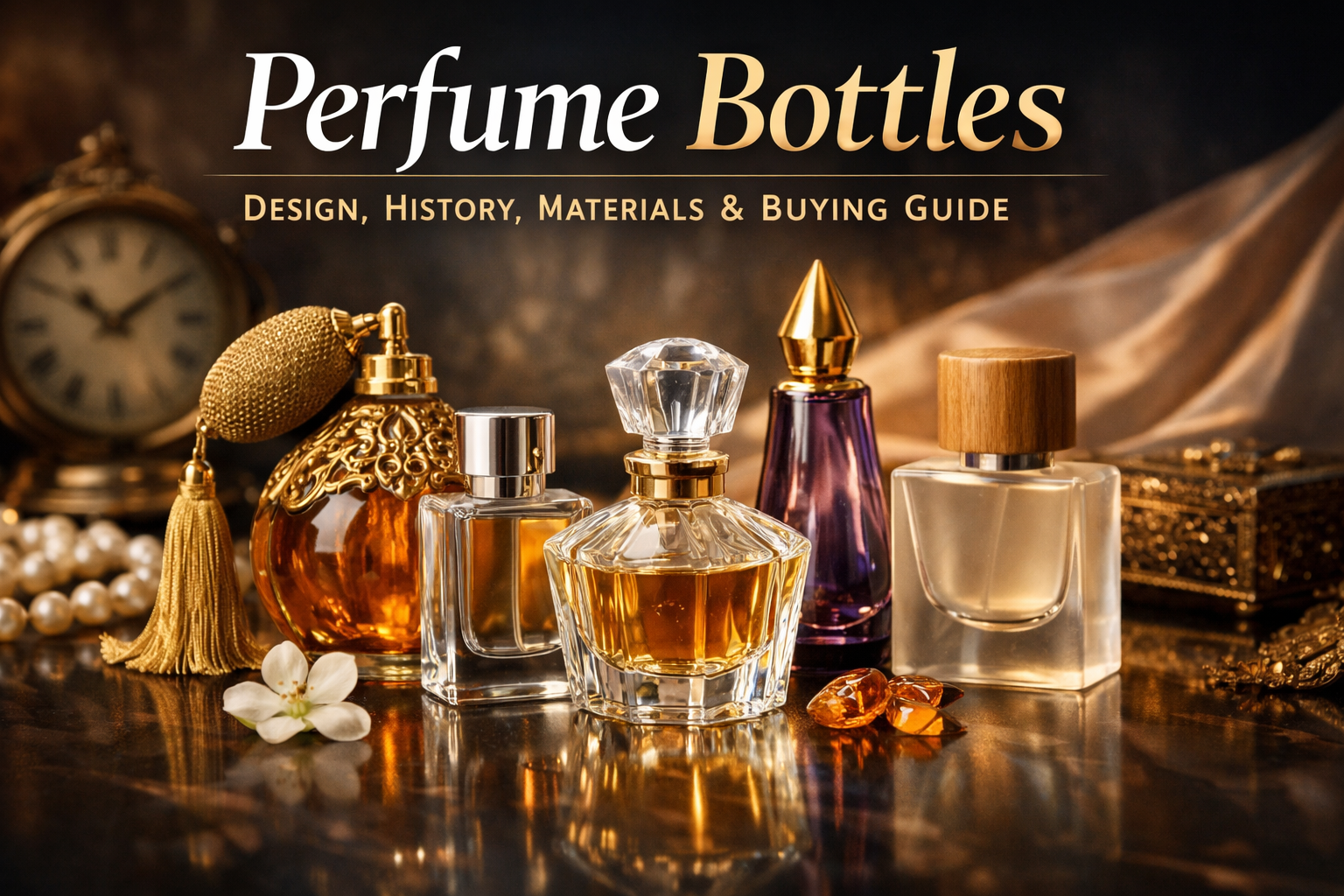
Fragrance is invisible, yet it carries powerful emotion. But before the scent touches your skin, your eyes meet something equally captivating the bottle. Perfume bottles are more than containers; they are expressions of artistry, luxury, and identity. They protect delicate fragrance oils while also telling a visual story about the scent inside.
From antique crystal flacons displayed in vintage shops to sleek modern designs sitting on minimalist dressing tables, these bottles represent creativity across generations. A beautifully crafted bottle can make a fragrance feel even more special. Sometimes, people fall in love with the packaging before even testing the scent.
In this comprehensive guide, we will explore the history, materials, design trends, customization options, storage methods, and frequently asked questions about perfume packaging. Whether you are a fragrance enthusiast, a collector, or someone starting a brand, this article will help you understand why the bottle matters just as much as the scent itself.
The History and Evolution of Perfume Packaging
The story of fragrance containers goes back thousands of years. In ancient civilizations such as Egypt and Rome, scents were stored in decorative vessels made from stone, clay, and glass. These early designs reflected status and wealth.
During the late 19th and early 20th centuries, perfume presentation transformed into fine art. One of the most influential names in luxury glass design was Baccarat, known for crafting exquisite crystal containers for prestigious fragrance houses. These creations turned simple fragrance holders into collectible masterpieces.
In the modern era, Perfume bottles evolved alongside fashion trends. Minimalism became popular, leading to clean lines and transparent glass. At the same time, luxury brands continued producing ornate and artistic designs for limited editions. Today, packaging balances function with storytelling, combining beauty and practicality.
Why the Bottle Matters So Much
Many people assume the scent alone determines a fragrance’s success. However, packaging plays a powerful psychological role. The shape, weight, color, and texture influence perception before the first spray.
When someone holds a heavy, well-crafted bottle, they automatically associate it with quality. A sleek metallic cap suggests modern sophistication, while curved glass may signal softness and romance. Perfume bottles create an emotional connection long before the fragrance unfolds.
For brands, packaging is also a branding tool. It communicates the target audience, price range, and overall personality of the scent. A bold geometric design may appeal to confident personalities, while pastel tones often attract lovers of delicate florals.
Types of Perfume Bottles
Spray bottles are the most common. They distribute fragrance evenly and prevent over-application. Roll-on bottles are compact and travel-friendly, ideal for oil-based scents. Splash bottles offer a vintage experience where fragrance is applied manually. Refillable containers support sustainability by allowing users to reuse the same design.
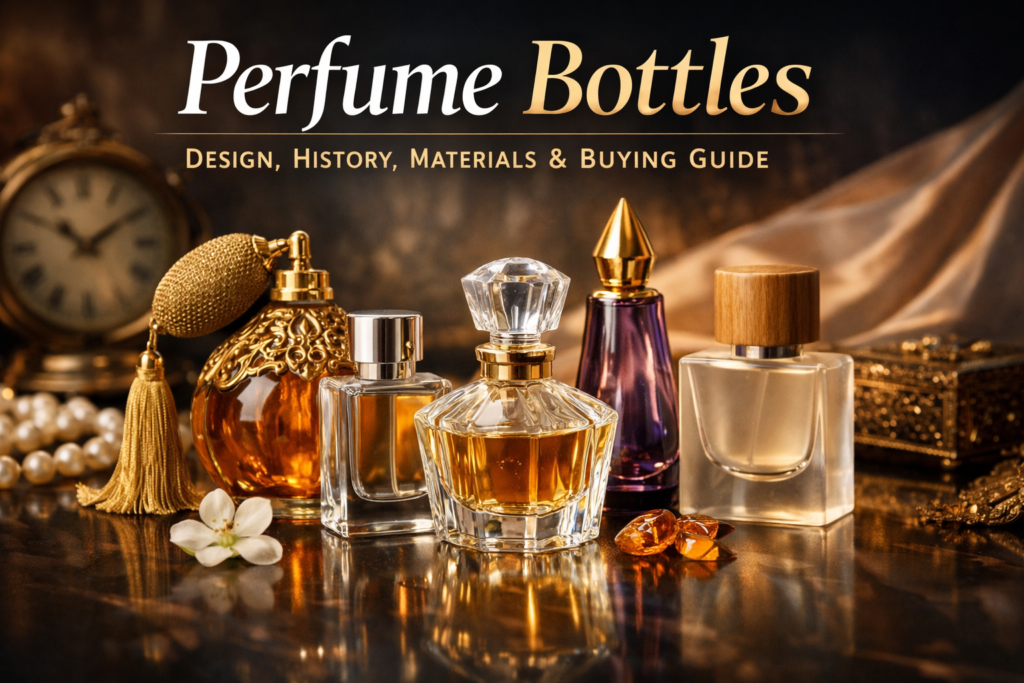
Although designs vary widely, most Perfume bottles share a similar structure: a base, a neck, a pump or stopper, and a cap. Each component contributes to both functionality and aesthetics.
Materials Used in Perfume Bottle Production
The choice of material affects durability, appearance, and even environmental impact.
Glass remains the most popular material. It preserves fragrance quality, prevents chemical reactions, and provides transparency. Crystal is used in luxury editions for its brilliance and elegance. Plastic is lightweight and cost-effective, often used for travel sizes. Metal accents enhance strength and add a premium feel.
High-quality Perfume bottles are carefully engineered to prevent leakage and protect volatile fragrance oils from light and air exposure. Dark-colored glass is often used for sensitive compositions to maintain longevity.
The Role of Design in Marketing
Design can make or break a fragrance launch. A unique shape can become iconic over time. Consider how some bottle silhouettes are instantly recognizable even without labels.
Brands often collaborate with artists and designers to create distinctive packaging. Limited editions may feature engraved glass, metallic plating, or handcrafted details. These artistic touches turn Perfume bottles into decorative pieces rather than simple containers.
Color psychology also plays a major role. Gold suggests luxury and richness. Black communicates mystery and power. Pink often symbolizes romance. Clear glass conveys purity and freshness.
Custom Perfume Bottles for Emerging Brands
With the rise of niche fragrance houses and small businesses, customization has become increasingly popular. Entrepreneurs now invest in unique packaging to stand out in a crowded market.
Custom shapes, embossed logos, engraved caps, and personalized labels help brands create identity. Sustainable packaging is also gaining importance. Many companies now choose recyclable glass and eco-friendly materials to appeal to environmentally conscious customers.
For new brands, well-designed Perfume bottles act as silent ambassadors, communicating professionalism and quality from the very first glance.
Collecting Perfume Bottles as Art
Some people collect fragrances for the scent, while others collect them for their aesthetic beauty. Vintage glass containers, limited edition releases, and handcrafted crystal pieces often increase in value over time.
Collectors appreciate intricate detailing, historical significance, and rarity. Displaying these bottles on a shelf adds elegance to any room. Over time, a carefully curated collection becomes both a decorative feature and a personal archive of memories.
The artistry found in antique and designer Perfume bottles reflects cultural trends and craftsmanship from different eras.
How to Store Perfume Bottles Properly
Proper storage ensures that fragrance quality remains intact for years.
Keep bottles away from direct sunlight, as UV rays can alter the chemical composition. Store them in a cool, dry place with consistent temperature. Avoid leaving them in humid bathrooms where heat fluctuations may affect performance. Ensure the cap is tightly closed after each use to minimize air exposure.
These simple habits protect both the scent and the structure of your Perfume bottles, preserving their beauty and functionality.
Sustainability and Eco-Friendly Packaging
Environmental awareness has reshaped the fragrance industry. Brands now prioritize sustainable packaging solutions. Refillable systems reduce waste, while recyclable materials lower environmental impact.
Consumers increasingly prefer companies that balance luxury with responsibility. Eco-conscious Perfume bottles combine elegant design with thoughtful material selection, proving that beauty and sustainability can coexist.
Common Design Features That Enhance Appeal
Certain features consistently elevate the overall experience of fragrance packaging. A magnetic cap adds a satisfying closure. Weighted glass provides a luxurious feel in the hand. Precision spray pumps ensure even distribution. Frosted finishes create a soft visual effect. Minimalist typography enhances sophistication.
These thoughtful details transform ordinary containers into memorable objects.
The Emotional Power of a Beautiful Bottle
A fragrance often marks significant moments in life. It may remind you of a wedding, a first job, or a special trip. The bottle becomes a physical symbol of those memories.
Even when the scent is finished, many people keep the empty container as a keepsake. The design holds sentimental value. This emotional connection explains why Perfume bottles are rarely thrown away carelessly.
Choosing the Right Perfume Bottle for Your Needs
If you are starting a fragrance brand or purchasing empty bottles for DIY perfumes, consider size, material, spray mechanism, and overall aesthetic.
Think about your audience and brand message. A minimalist brand may choose transparent glass with clean lines, while a luxury niche brand might prefer heavier crystal designs.
The right choice ensures your Perfume bottles reflect the identity of the fragrance inside.
FAQs
1. Why are most perfume bottles made of glass?
Glass preserves fragrance quality and prevents chemical reactions. It is also recyclable and visually appealing.
2. How can I clean empty perfume bottles?
Rinse them with warm water and mild soap. For stubborn residue, use rubbing alcohol and allow them to dry completely before reuse.
3. Do dark bottles protect perfume better?
Yes, darker glass reduces light exposure, which helps maintain fragrance stability over time.
4. Can perfume bottles be recycled?
Most glass bottles are recyclable, but pumps and caps may need to be removed before recycling.
5. Why do luxury brands use heavy bottles?
Weight adds a sense of quality and durability, enhancing the overall customer experience.
Final Thoughts
Fragrance may be invisible, but its presentation is not. Perfume bottles combine art, engineering, and emotion into one elegant creation. They protect delicate scents, communicate brand identity, and serve as decorative objects long after the fragrance is gone.
From ancient handcrafted vessels to modern minimalist designs, these bottles tell stories that go beyond aroma. They reflect history, creativity, and personal taste. Whether you are a collector, a brand owner, or simply someone who appreciates beautiful design, understanding the value of fragrance packaging deepens your appreciation for the entire sensory experience.
In the end, a perfume bottle is not just something you hold in your hand. It is a small piece of art that carries scent, memory, and identity all at once.